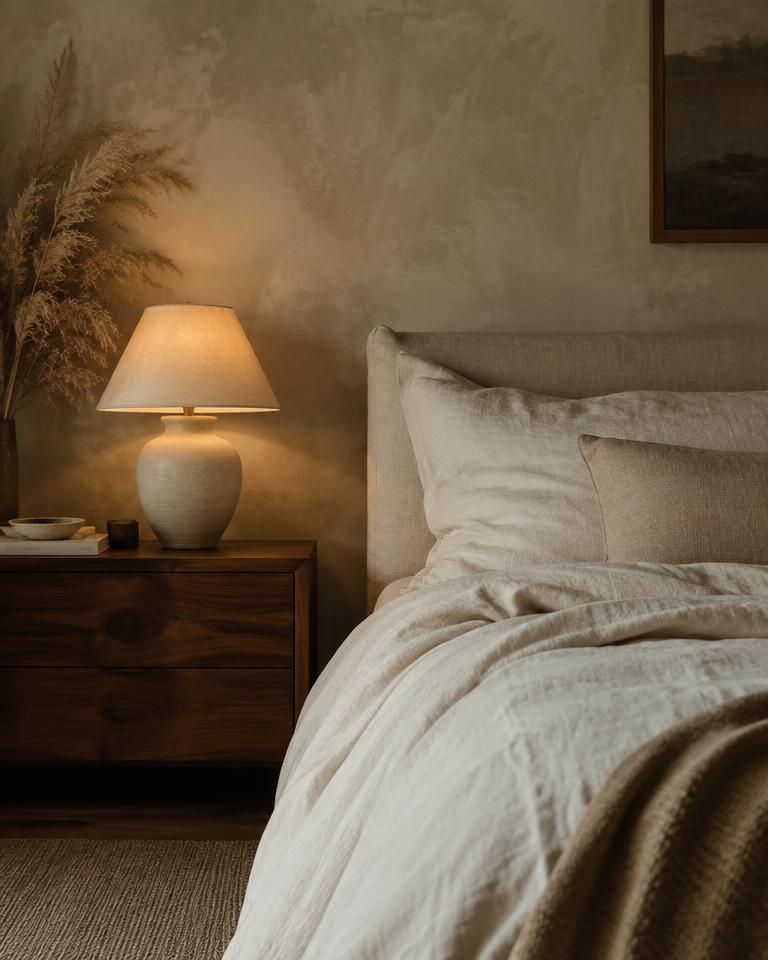
Disorganization is rarely a character flaw. More often, it is friction built into the room itself. Here is how layout, storage, and visual hierarchy can lower the mental load of everyday life for ADHD and neurodivergent households.
Many people describe their home as the thing they are constantly failing at. The pile on the counter. The drawer that eats keys. The office that was supposed to make work easier and instead became a second storage room.
For a lot of households, especially those living with ADHD, that story is backwards.
The problem is usually not the person. It is the friction in the room.
Executive function is the set of mental skills we use to plan, start, switch, and finish tasks. It draws from a limited daily budget. Every small decision a room asks of you, where does this go, which cabinet was it in, what was I doing when I walked in here, spends a little of that budget. A well-designed home spends less of it for you.
Why traditional organizing advice often fails
Most organizing advice assumes a brain that remembers what it cannot see. Put everything behind closed doors, label the bins, keep surfaces clear.
For many ADHD minds, that creates a different problem. Out of sight becomes out of mind. Bills disappear into a beautiful cabinet and resurface as late fees. Tools vanish into perfectly matched baskets and get purchased twice.
The opposite extreme does not work either. Open shelving loaded with objects gives the eye nowhere to rest. Every item becomes a small visual interruption, and a room full of interruptions is tiring to be in.
The goal is not maximum hiding or maximum display. It is the right visibility for each thing.
Designing with visibility in mind
I like to sort the contents of a home into three simple tiers:
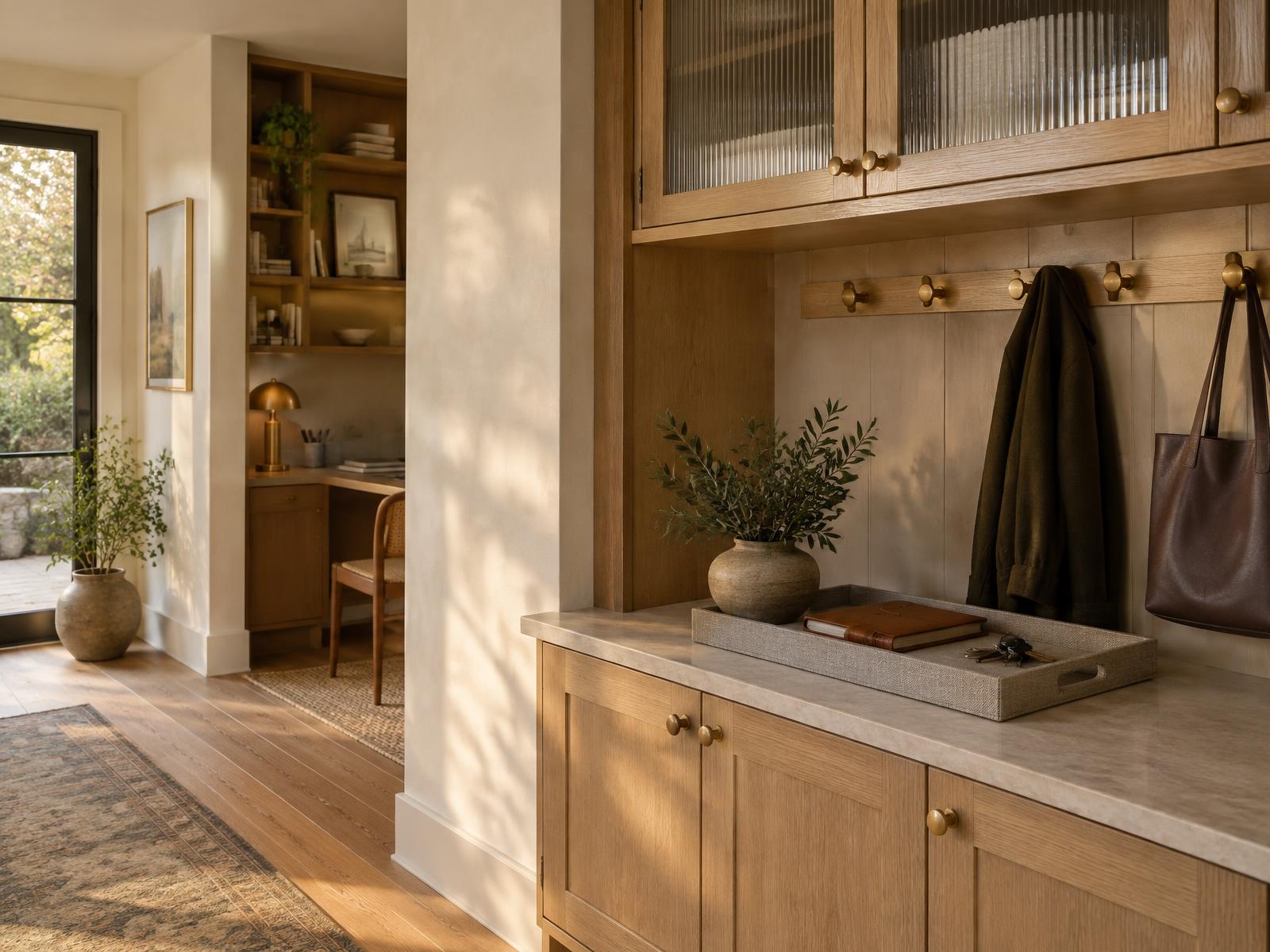
- Daily essentials should be visible and reachable in one motion. Keys, bags, chargers, medication, the current book. Think brass hooks, a lined landing tray, an open niche at hand height.
- Weekly items can be softly concealed. Ribbed or reeded glass, open-front drawers, and cabinets with a visible interior light let you sense what is inside without the visual noise of seeing all of it.
- Seasonal and archival items belong fully behind doors. These are the things you are happy to forget about until you need them.
When storage matches how often something is used, the home quietly does the remembering.
The landing zone: the most important square footage in the house
If I could give every household one design move, it would be a deliberate landing zone at the door you actually use. Often that is the garage or side entry, not the front door.
A good landing zone includes:
- A surface at counter height for setting things down without thinking.
- A single tray or bowl for keys, wallet, and earbuds.
- Hooks rather than hangers, since one motion beats two.
- A charging spot so devices do not migrate to the kitchen island.
- A place for outgoing items: returns, library books, the thing you promised a friend.
This is not about looking organized. It is about removing the decision at the exact moment your attention is most scattered, the moment you walk in the door.
Visual noise and focus
A room can be completely tidy and still visually loud. High contrast patterns, many small objects, competing focal points, and busy sightlines all pull at attention.
For focus-friendly rooms, I lean toward:
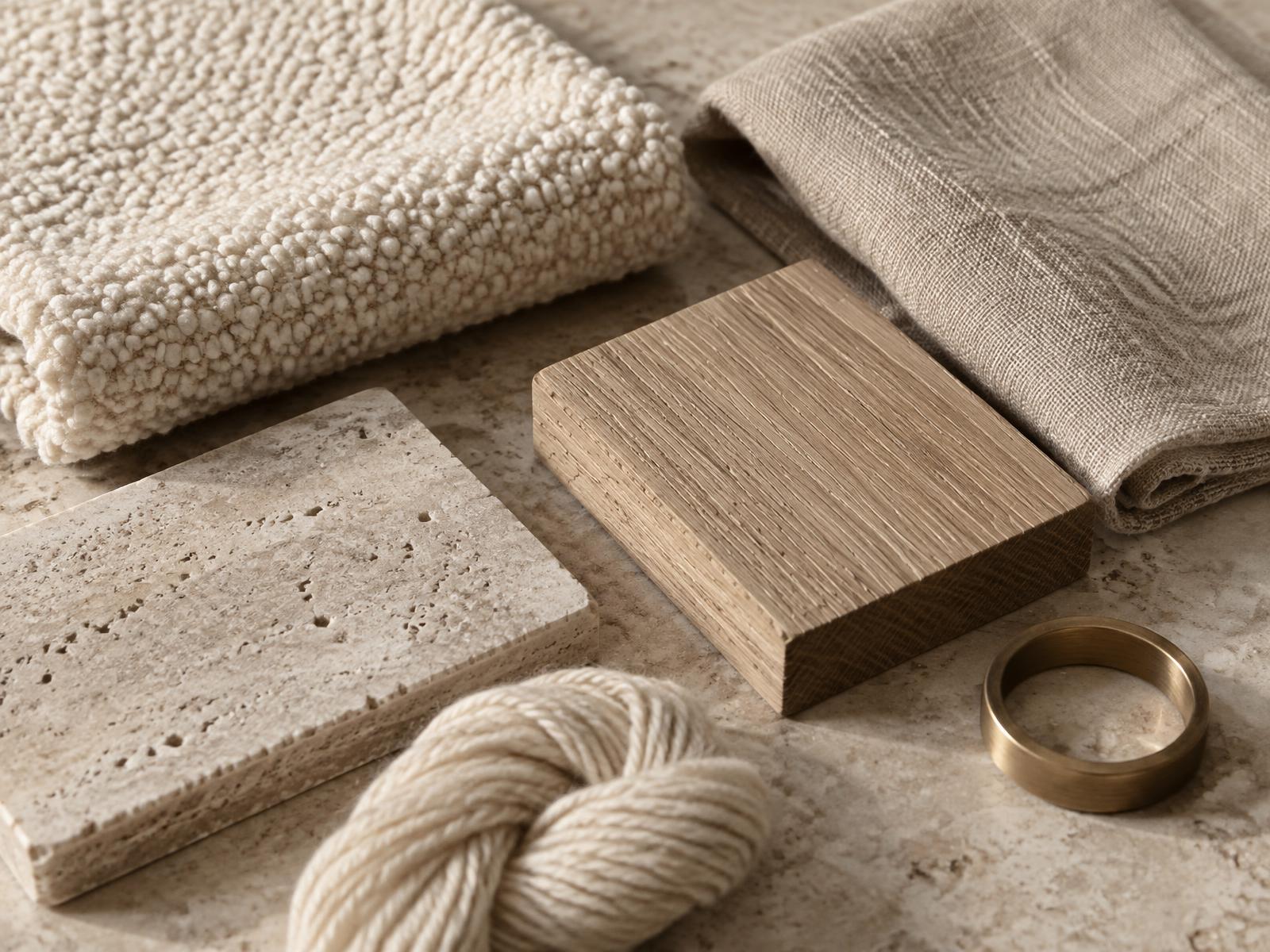
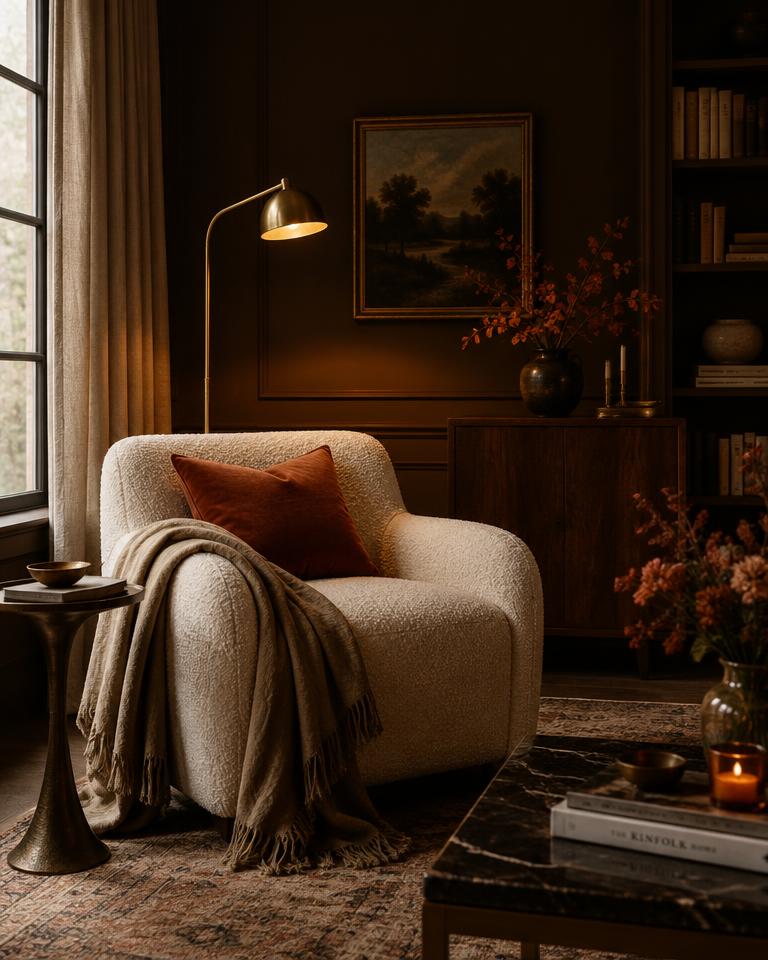
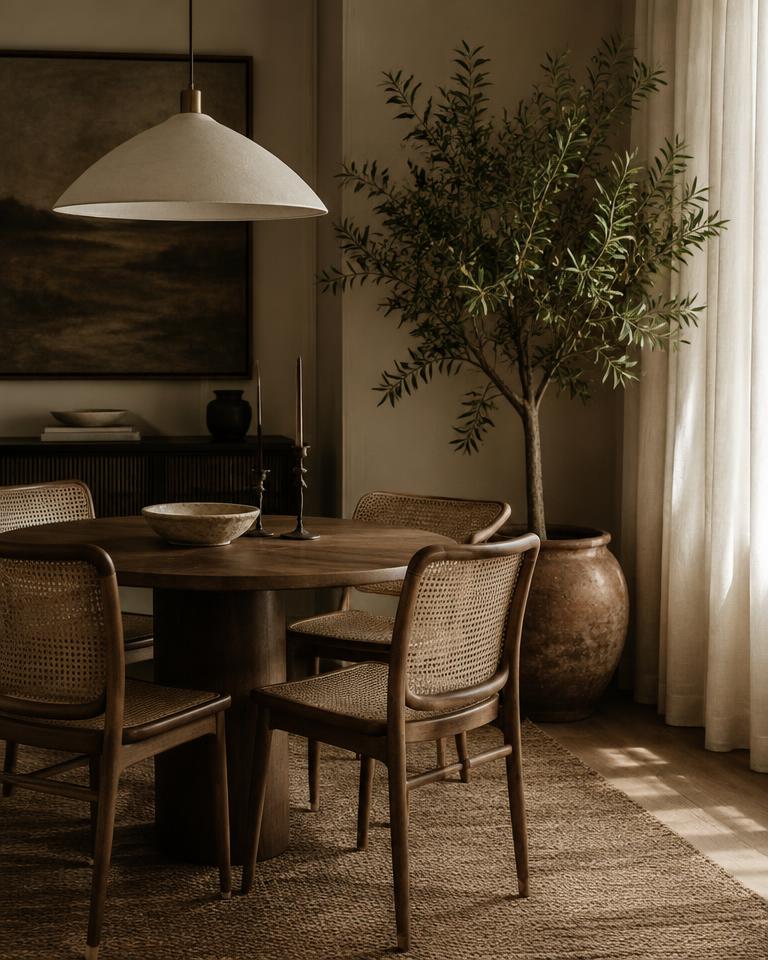
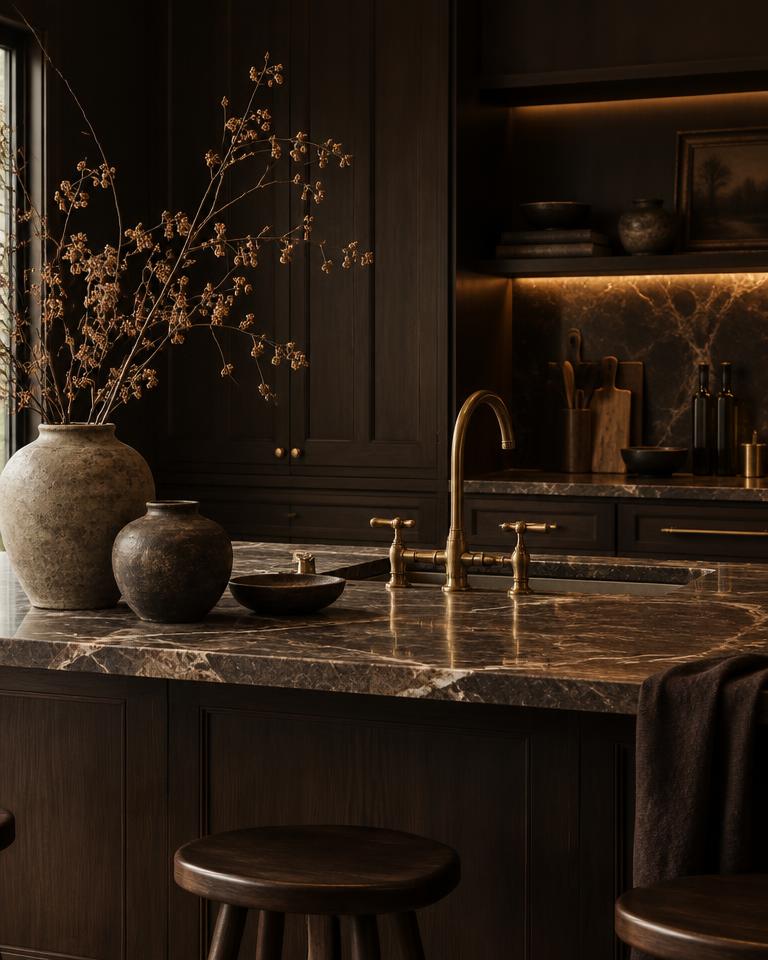
- A calm, limited material palette with warmth rather than stark white.
- Fewer, larger objects instead of many small ones.
- One clear focal point per room so the eye knows where to land.
- Desks oriented away from doorways and high-traffic views.
- Texture for interest instead of pattern, since texture rewards a glance without demanding one.
Calm does not have to mean bare. A home can be layered, warm, and full of character while still giving the mind room to think.
Thresholds that help you switch tasks
Task switching is one of the hardest parts of executive function. When work, rest, and family life all happen at the same table, the brain gets no signal that it is time to change modes.
Small physical thresholds help:
- A change in flooring or rug between a work nook and the living area.
- A dedicated lamp that only turns on for focused work.
- A pocket door or curtain that closes the office at the end of the day.
- A different chair for reading than for working.
These cues are subtle, but they let the space carry some of the transition so you do not have to force it through willpower alone.
Designing for the whole household
ADHD rarely lives in isolation. Partners, children, and roommates all have their own rhythms. Good design does not single anyone out. It simply makes the easy choice the default for everyone: the coat goes on the hook because the hook is right there.
This is why I spend so much time early in our design process watching how a household actually moves: where things land, which doors get used, what piles up and why. Those patterns tell me far more than a wish list.
A home that works with you
You should not have to become a different person to live well in your own home. The right design meets your mind where it is, lowers the daily load, and leaves more energy for the parts of life you actually care about.
If you are planning a renovation or rethinking the rooms you already have, begin the conversation. We will start with how you live, not how you think you are supposed to.
This article shares design guidance and is not medical advice. For diagnosis or treatment of ADHD, please consult a qualified healthcare professional.