A beautiful room can still sound uncomfortable. Learn how to reduce echo with textiles and acoustic treatments, what soundproofing actually means, and how to plan around individual sensory needs.
We tend to judge a room with our eyes first. Yet a dining room with beautiful stone floors and tall windows can feel very different once several people are talking. Sound belongs in the design conversation just as much as light and texture.
For a sensory-sensitive household, the right question is not simply how to make a room quieter. It is which sounds are difficult, where they come from, and what each person needs to feel comfortable. A low-stimulation room is not everyone's preference, and complete silence is neither realistic nor necessary.
How Do You Reduce Echo in a Room?
To reduce echo, introduce sound-absorbing surfaces such as rugs, lined curtains, upholstered furniture, and appropriately specified acoustic panels. These treatments can reduce reflected sound inside the room. They do not, by themselves, soundproof it against neighbors, traffic, or footsteps overhead.
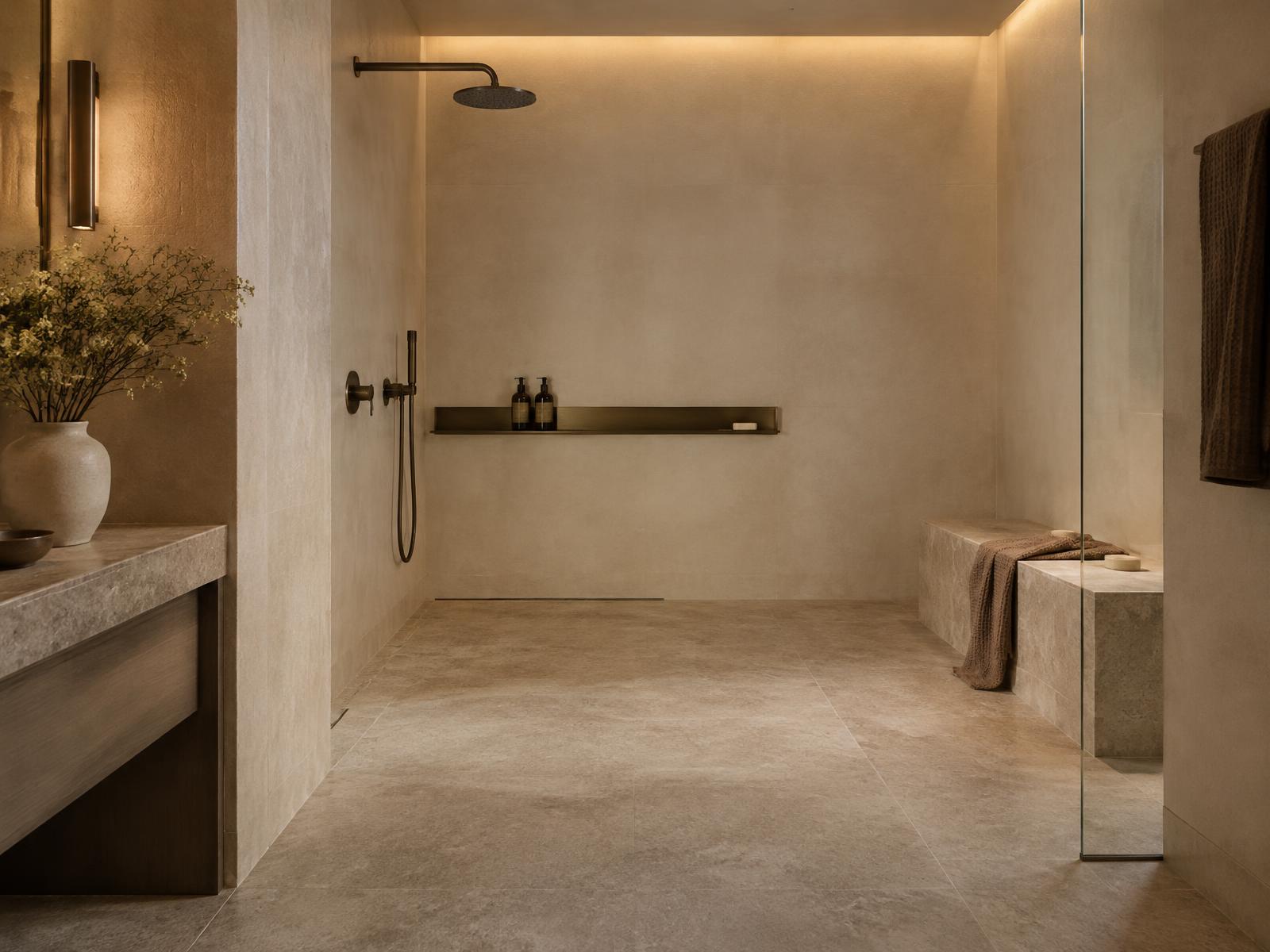
What we casually call echo in a home is often reverberation: sound continuing to reflect around a space after its source stops. A room with many hard surfaces can keep those reflections going. The effectiveness of any treatment depends on the room, the material, its coverage, and the frequencies involved.
Absorption and Soundproofing Are Different Jobs
Sound absorption addresses reflections within a room. Sound isolation, often called soundproofing, addresses sound traveling between spaces. This distinction matters before you spend money.
If conversation sounds sharp and lingering in your own living room, absorption may help. If you hear a neighbor through a shared wall, the problem involves transmission. Rugs and curtains might make your room less reverberant without meaningfully solving that incoming noise.
Footsteps, bass, plumbing, and mechanical noise can travel through the building's structure. An acoustic professional may need to assess the transmission path before recommending work. A decorative panel is not a substitute for that assessment.
Start With the Sound You Actually Notice
Spend time listening in the room during the activities that matter: dinner, a work call, reading, or an evening wind-down. Note when the problem happens and whether it comes from inside the room, another room, outside, or a building system.
- Voices linger in the room: Look at reflective surfaces and absorptive furnishings.
- A door lets conversation through: Ask whether gaps or the door assembly are part of the path.
- Footsteps or bass arrive from elsewhere: Seek advice about the building assembly rather than buying more textiles.
- An appliance dominates the room: Consider maintenance, source placement, and quieter replacement options when appropriate.
Layer Acoustic Comfort Into the Interior
Rugs and Upholstery
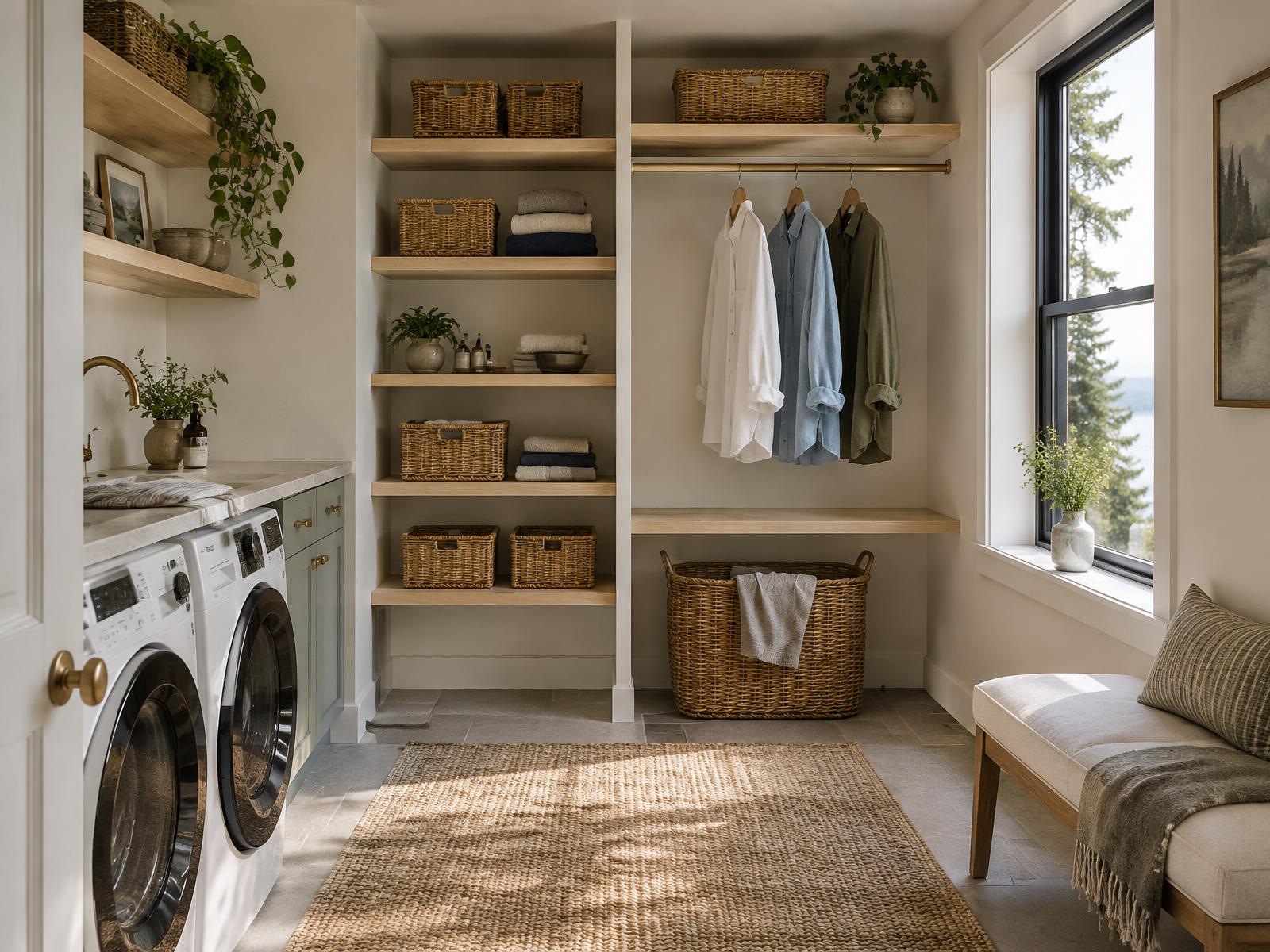
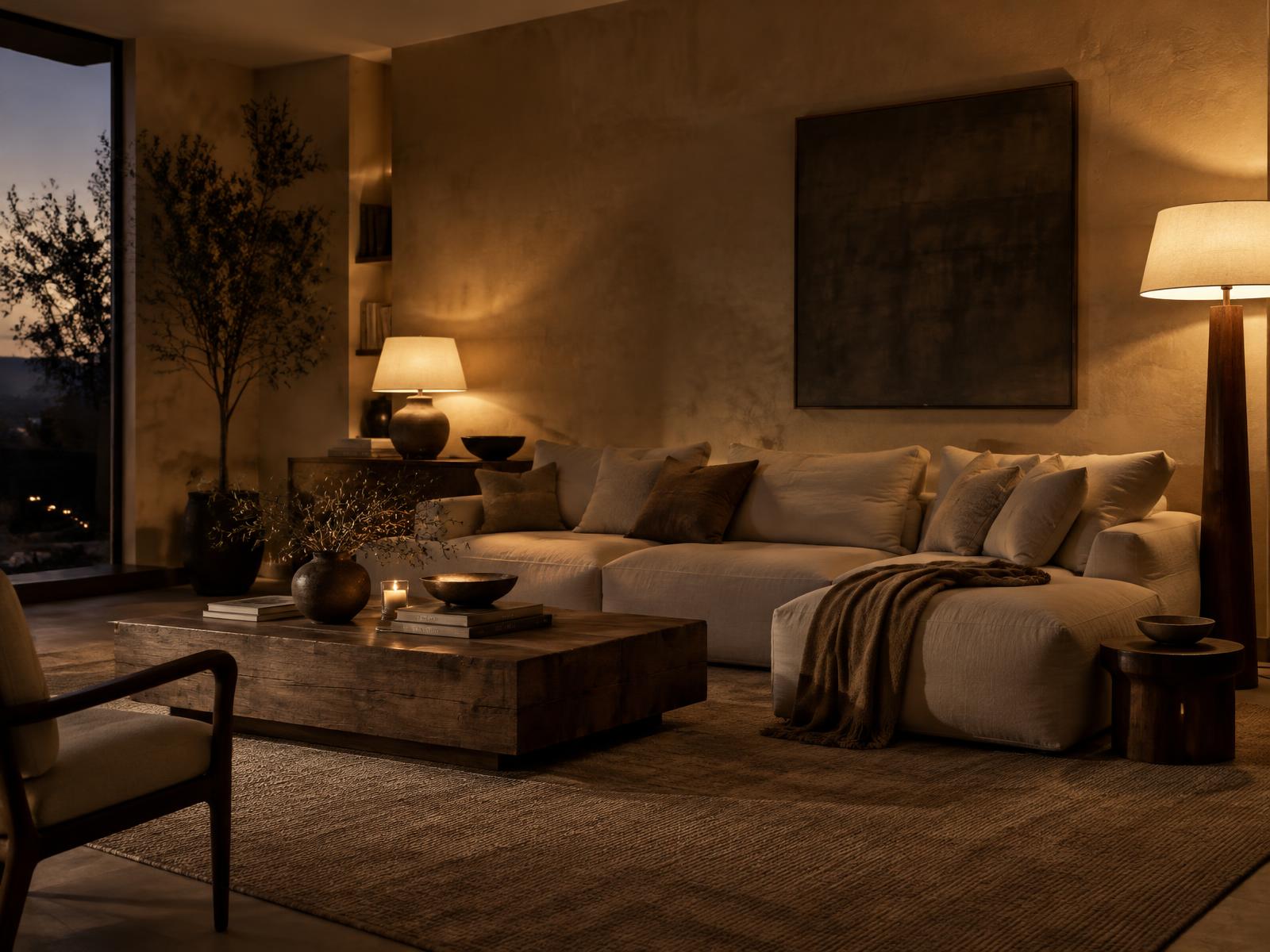
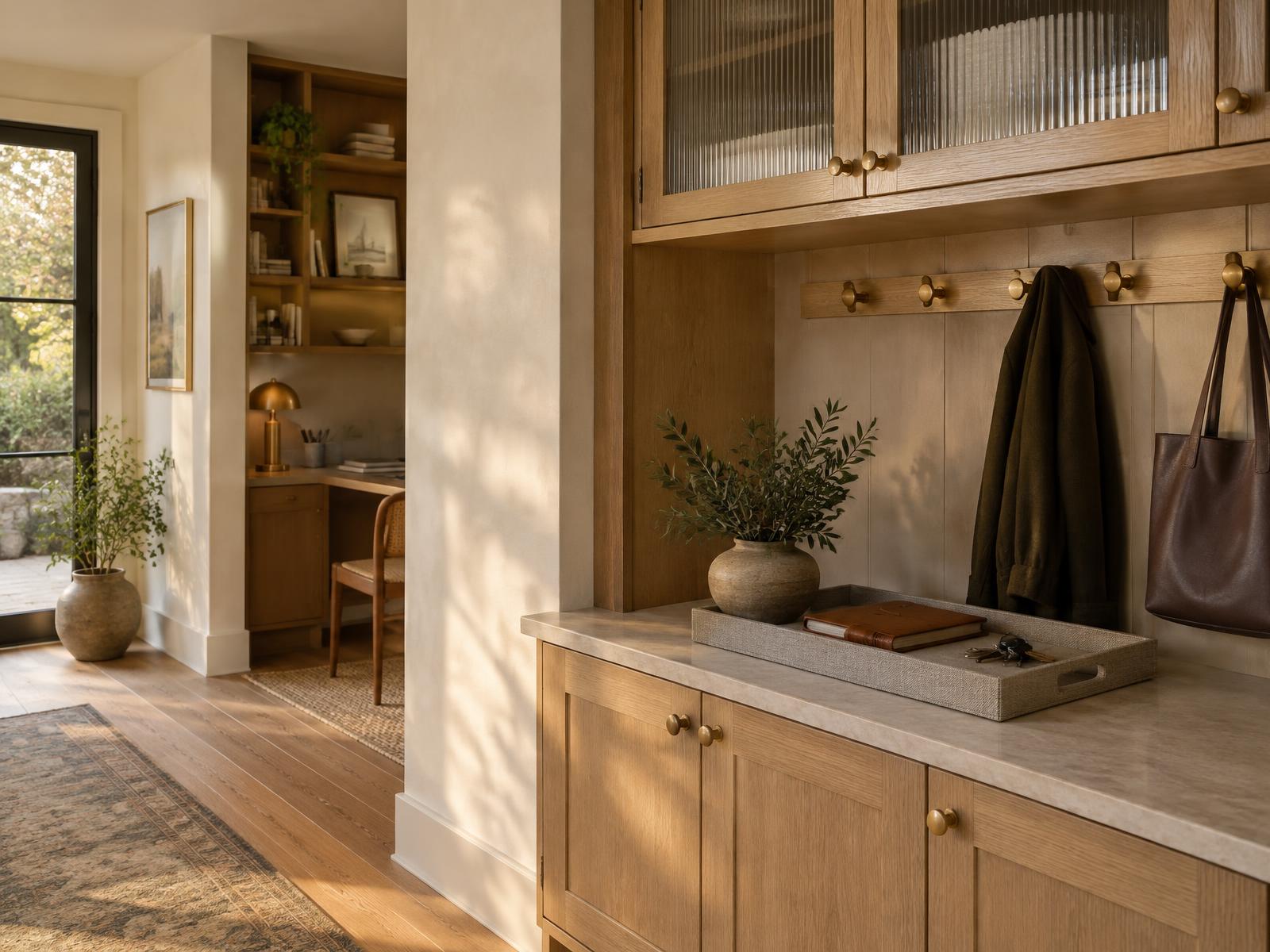
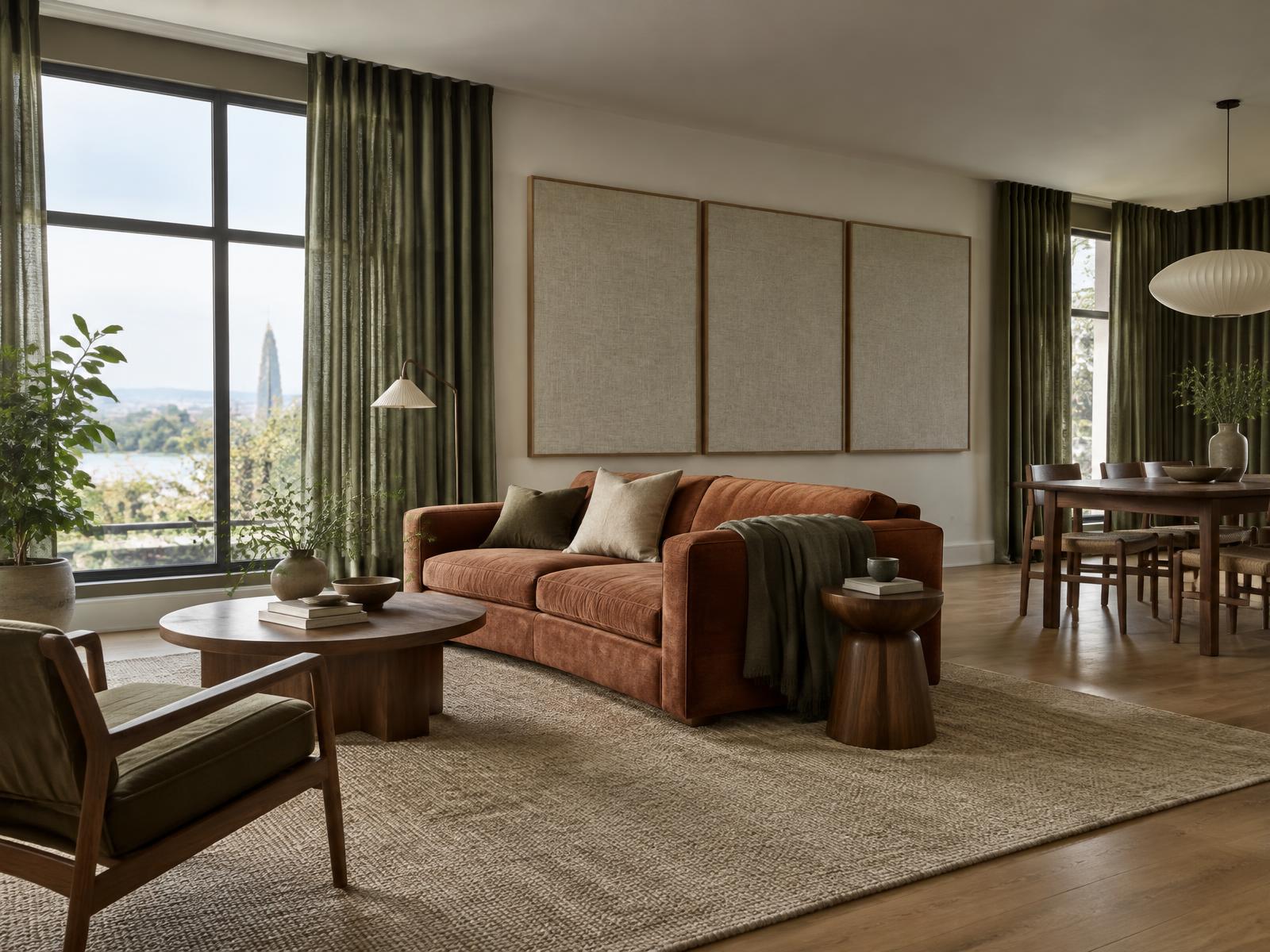
A generous rug and upholstered seating can add absorption to a hard-surfaced living room. Choose them for comfort, cleanability, accessibility, and household preferences as well as sound. A rug can soften your own room's acoustics; it is not a guaranteed solution for impact noise reaching another home.
Curtains and Fabric Treatments
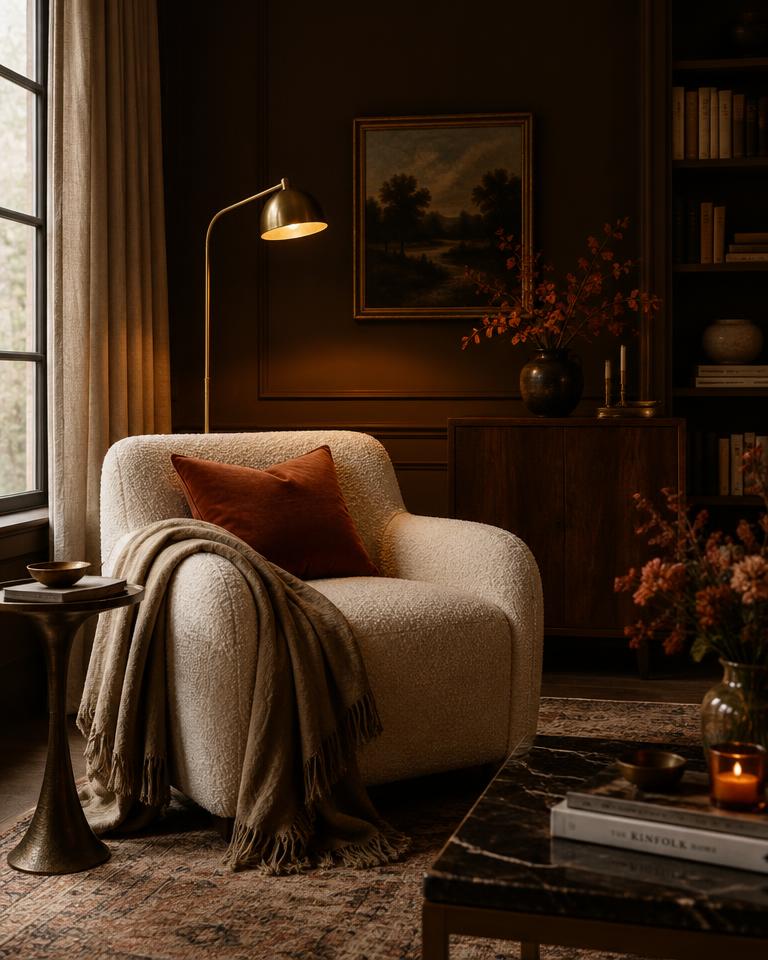
Substantial curtains add a soft layer beside reflective glass. Their acoustic effect varies with the fabric, fullness, placement, and construction. Choose window treatments that also support daylight control, and do not assume a product marketed as a curtain will block outdoor noise.
Specified Acoustic Panels
Fabric-faced acoustic panels can integrate into a room as carefully proportioned wall elements. Ask for tested absorption data and installation guidance; a decorative fabric picture is not necessarily an absorber. Panel placement, backing, and thickness matter, and materials must meet applicable safety requirements.
What Can Renters Change?
Movable rugs, curtains where permitted, and upholstered furniture are useful starting points for room reflections. Get permission before mounting panels or altering doors. Do not seal required ventilation, modify fire-rated assemblies, or assume every gap should be closed.
For persistent noise through shared walls, ceilings, floors, or mechanical systems, involve the landlord or building manager. Effective isolation may require building work, and even professional solutions have limits.
Design for a Person, Not a Universal Sensory Recipe
Ask which sounds feel distracting, which are reassuring, and whether the person wants a quieter retreat or a more balanced gathering space. Sensory preferences differ, including among autistic people and people with ADHD. A room should offer choices rather than prescribe a single way to feel.
In my approach to interior design, acoustic comfort is part of how a space is experienced, not an invisible technical afterthought. Read The Haptic Home for the wider relationship between touch, light, and sensory preferences, or explore our design process.
To plan a home that considers how it sounds as well as how it looks, begin the conversation.
Sources and Further Reading
- USG: Acoustic Principles, the distinction between absorption and transmission control.
- Local Government Association: Sound, autism-focused housing guidance on surfaces and noise.
- NYC Department of Environmental Protection: Residential Noise Control, guidance on identifying noise sources and transmission paths.
This article shares interior design guidance, not medical advice or a guaranteed acoustic result. Seek qualified acoustic and building professionals for noise isolation work, and a healthcare professional for sensory or hearing concerns.